Sutton Council garden waste rules for Carshalton gardeners
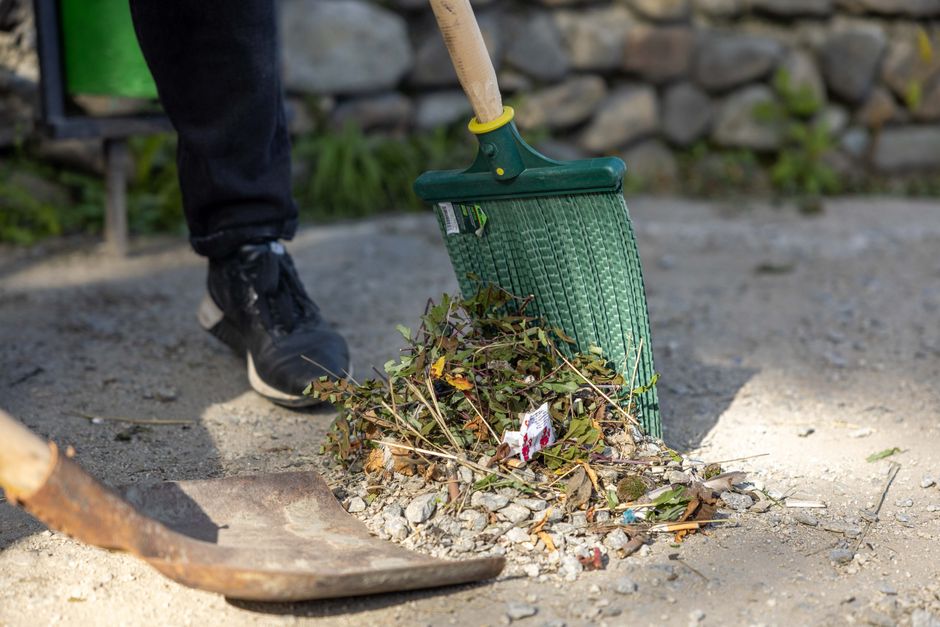
If you garden in Carshalton, the rules around green waste can feel oddly specific at first glance. One week you've got hedge cuttings, lawn clippings, and a pile of soggy leaves; the next, you're wondering what Sutton Council expects you to do with it all. That is exactly why understanding Sutton Council garden waste rules for Carshalton gardeners matters. Get it right and your garden stays tidy, your bins stay manageable, and you avoid those irritating little mistakes that can turn a simple clear-up into a nuisance. Get it wrong, and suddenly you're dealing with missed collections, contamination issues, or just a lot more work than needed.
This guide breaks the whole thing down in plain English. You'll see how garden waste is typically handled, what counts as green waste, when it makes sense to book extra help, and how to stay on the safe side when you're clearing your plot, trimming back growth, or doing a seasonal tidy-up. To be fair, once you understand the basics, it's not nearly as fiddly as people expect.
Quick takeaway: the smartest approach is to separate clean green waste early, keep non-organic items out of it, and plan disposal before the garden work starts rather than after the heap has taken over the patio.
- Keep organic garden waste separate from rubble, plastic, and household rubbish.
- Check local collection expectations before you fill a bin or arrange a clearance.
- Plan for bulky cuttings from hedge work, tree pruning, or full garden tidy-ups.
- Use recycling and composting where possible to cut waste and reduce costs.
For homeowners who want support with the practical side of the job, it can help to understand the wider service picture too. A planned tidy-up often sits alongside garden maintenance, garden clearance, or even more targeted work such as hedge trimming and lawn mowing. Not every garden job creates the same kind of waste, and that distinction matters more than most people think.
Why Sutton Council garden waste rules for Carshalton gardeners Matters
Garden waste is one of those things that looks harmless until it starts stacking up. A few prunings here, a lawn cut there, then a wheelbarrow full of damp leaves after a windy Sunday and the job gets messy fast. In a place like Carshalton, where gardens range from compact town plots to larger family spaces, the way you manage green waste affects everything from convenience to costs.
The main reason the rules matter is simple: councils need waste streams kept clean. If green waste is mixed with the wrong materials, it becomes harder to compost or recycle properly. That means more processing, more contamination, and less efficient collection. For gardeners, the practical side is just as important. You want a process that is predictable, tidy, and not too much of a faff.
There's also a financial angle. If you repeatedly overfill containers, book unnecessary removals, or leave waste until it becomes a full garden clearance job, the work gets more expensive. It's the same with a lot of garden tasks really. Small, regular maintenance is usually easier than one huge end-of-season panic. Anyone who has stared at a mountain of cuttings at dusk will know exactly what that feels like.
For local property owners who keep on top of their outdoor space, the rules also support healthier gardening. Compostable waste can be reused, hedges stay manageable, lawns recover better, and beds don't end up smothered under old stems. If you want the broader context of keeping a plot well managed throughout the year, garden maintenance and recycling and sustainability go hand in hand.
How Sutton Council garden waste rules for Carshalton gardeners Works
At a practical level, Sutton Council garden waste rules are about sorting, presentation, and collection method. The exact service arrangements can change over time, so it's always wise to check current local guidance before you put out waste. That said, the core principles stay fairly consistent.
What usually counts as garden waste
Garden waste is typically the organic material generated by normal outdoor upkeep. Think grass cuttings, hedge trimmings, leaves, twigs, weeds, plant clippings, and small branches. In plain terms: if it grows in the garden and is now being removed, it probably belongs in the garden waste stream.
But here's the important bit. Not everything from a garden is garden waste. Soil, stones, broken pots, treated timber, plastic plant trays, old compost bags, and general household rubbish should stay out of it. Mixing those into a green waste container is the quickest route to problems. A bin full of "almost garden waste" is exactly the sort of thing that causes avoidable trouble.
How separation usually helps
Keeping waste separated makes collection and recycling easier. It also lets you spot what can be reused. For example, clean leaves can be composted, woody cuttings may be chipped, and some light prunings can be stacked for later shredding. If you're doing a larger project, it may be worth sorting waste into smaller piles as you work rather than dumping everything together and hoping for the best.
When extra disposal is needed
Some jobs simply produce more material than a household garden bin can comfortably handle. That often happens after hedge reduction, tree pruning, or an overdue clear-out of an overgrown border. In those cases, a dedicated collection or a full garden clearance may be more practical than trying to force everything into one container. The key is to match the disposal method to the size and type of job. Sounds obvious, but people often discover that a bit too late.
Key Benefits and Practical Advantages
Following the rules properly does more than keep you out of bother. It actually makes gardening easier. That's the bit people notice after the first couple of tidy cycles.
- Cleaner gardens: waste is removed before it becomes a slippery, untidy, decomposing mess.
- Less contamination: separating organic waste from rubbish improves recycling outcomes.
- Better planning: you can work out whether a simple bin collection, a composter, or a full clearance is most sensible.
- Lower stress: no last-minute scramble to find somewhere for an overflowing pile of cuttings.
- Improved plant health: regular removal of diseased or dead material helps keep beds and hedges in better condition.
There's also a less obvious benefit: once you get used to sorting garden waste properly, all your garden work feels more controlled. Hedge trimming becomes a cleaner job. Mowing day is less chaotic. Even a windy autumn afternoon feels more manageable because you already know where the debris is going.
If you're planning broader outdoor improvements, it can help to think in terms of the entire garden workflow. For example, a layout refresh through landscape gardening or a larger redesign through landscaping may involve significant green waste, so disposal planning should happen at the design stage, not as an afterthought.
Who This Is For and When It Makes Sense
This topic is relevant to almost anyone with outdoor space in Carshalton, but some people feel the impact more than others. If you have a modest back garden, you may only need the rules during seasonal clear-ups. If you manage a larger plot, rented property, communal garden, or heavily planted space, you'll deal with waste more often and the details matter far more.
It makes particular sense to pay close attention if you:
- do your own regular mowing, pruning, and border maintenance;
- have hedges that shed heavily or need periodic shaping;
- deal with autumn leaf fall, especially in older streets with mature trees;
- are clearing an overgrown garden before sale, letting, or renovation;
- want to reduce disposal costs by composting or reusing waste;
- manage a garden with a mix of soft growth and woody material.
It also matters if you're balancing DIY gardening with occasional professional help. A gardener may tidy the beds and shape the hedges, but the volume of waste can still catch you out. That's where a clear plan saves time. In our experience, people usually underestimate how much weight a few sacks of wet grass can carry. It's never "just a little bit".
If you only need support from time to time, a service overview can help you decide whether you want targeted work or a fuller solution. The page on services overview is a useful starting point for understanding how different garden tasks fit together.
Step-by-Step Guidance
Here's a straightforward way to handle garden waste without making the process harder than it needs to be.
- Identify the waste as you go. Separate grass, leaves, hedge clippings, and woody trimmings from the start. Don't leave the sorting job for the end.
- Remove non-garden items immediately. Pull out plastic ties, old plant labels, broken pots, stones, and anything else that does not belong in green waste.
- Decide what can be reused. Healthy leaves can go into compost. Small twiggy cuttings may be shredded or chipped. Some woody material may be suitable for habitat piles if your garden has space.
- Estimate the volume. If the waste is more than you can comfortably store until collection day, plan an alternative before it spreads across the patio.
- Choose the right disposal route. Bin collection, composting, reuse, or professional clearance each suit different volumes and material types.
- Bundle and store neatly. Keep bags tied, containers manageable, and cuttings easy to lift. Wet waste gets heavier quickly, so don't leave it exposed to the rain if you can avoid it.
- Check the local collection routine. Collection schedules, accepted materials, and set-out rules should always be confirmed against the current council guidance.
A useful habit is to do a five-minute waste sweep at the end of each garden session. Nothing dramatic. Just gather the bits, check for contamination, and decide what happens next. That tiny bit of discipline saves you from the big Saturday afternoon pile-up later on.
Expert Tips for Better Results
The best garden waste handling is usually the least flashy. Quiet, regular, practical. Here's what tends to work well in real gardens.
Compost the easy stuff first
Soft green waste like grass clippings and small plant matter is often ideal for home composting, provided you balance it with dryer material and keep the pile aired. If a compost heap turns into a soggy mat, it will smell and compact. Not ideal. A bit of structure goes a long way.
Separate woody and leafy material
Leaves, soft stems, and hedge trimmings do not always behave the same way. Woody material takes longer to break down and may need chipping or a separate disposal route. If you're working on hedge lines or shrubs, this becomes especially relevant. For heavier cutting jobs, hedge trimming and tree lopping and removal often generate mixed waste, so splitting it early saves time later.
Work before the waste gets wet
Dry clippings are easier to handle. Once they've absorbed a morning's drizzle or a sudden downpour, they become heavier and more awkward. If you've ever tried lifting a damp bag of grass up a narrow path, you know the feeling. Best avoided if possible.
Use the job size to choose the method
A quick lawn tidy may only need a small waste container. A full seasonal clear-up is a different beast. If the job has grown beyond a normal maintenance visit, a more comprehensive service makes sense. Garden clearance is usually the more sensible option when the waste volume is too high for simple routine disposal.
Think ahead to the next session
It helps to leave the garden in a state that makes next week easier. Stack reusable material in one corner, keep compostable waste together, and don't let mixed rubbish creep into the green pile. You'll thank yourself later. Honest.
Common Mistakes to Avoid
Most waste problems come from a handful of predictable mistakes. The good news? They are all avoidable.
- Mixing rubbish with green waste. Even a small amount of plastic or rubble can make a load unsuitable.
- Ignoring volume. A little pruning often becomes a lot once you start cutting.
- Leaving waste too long. Wet piles rot, smell, and become harder to move.
- Overstuffing containers. Heavy bags are difficult to lift and may split at the wrong moment.
- Assuming every garden item is compostable. Treated timber, plant pots, and string are common offenders.
- Not planning for large jobs. If you're tackling mature shrubs or a neglected border, disposal should be part of the plan from day one.
A smaller but surprisingly common issue is simply not checking the latest local rules. Councils can update collection arrangements, accepted materials, and service terms, so it is always worth confirming the current position before a big clean-up. A five-minute check beats a whole afternoon of irritation.
Tools, Resources and Recommendations
You do not need a shed full of specialist kit to manage garden waste well. A few simple tools and habits are usually enough.
- Rake and leaf grabber: useful for collecting loose leaves and small debris quickly.
- Bypass secateurs: cleaner cuts make prunings easier to bundle.
- Tarpaulin or reusable sheet: handy for moving waste across paths without scattering it everywhere.
- Heavy-duty garden bags: ideal for organised storage, but do not overload them.
- Compost bin or heap: good for clean organic waste if you have space and patience.
- Wheelbarrow: basic, yes, but still one of the best ways to move awkward loads without straining yourself.
If you're aiming to reduce waste and keep the garden productive, the page on recycling and sustainability is a useful companion read. It fits especially well if you want to build better long-term habits rather than just clear a single pile and move on.
And for people who'd rather have the work handled properly from the start, a local team that understands both garden care and waste handling can save a lot of hassle. You can see the broader approach behind the business on the about us page, which helps give a sense of how the services are structured.
Law, Compliance, Standards, or Best Practice
When garden waste is involved, the safest approach is to treat council guidance as the baseline and then follow general UK best practice for waste segregation. That means keeping recyclable green waste clean, avoiding contamination, and using disposal methods that suit the material type.
There are a few common-sense compliance points worth keeping in mind:
- Do not mix green waste with general waste unless the collection method specifically allows it.
- Do not include hazardous or sharp materials such as broken glass, metal, or treated wood in green waste.
- Be careful with tree waste if it is large, heavy, or part of a more significant removal job.
- Store waste safely so it does not block access paths, create slip hazards, or attract pests.
For households and landlords, there is also a simple duty of care in practice: waste should be handled responsibly and passed on in the correct way. You do not need to turn this into a legal drama. Just be organised, keep loads clean, and use the right disposal route. That is usually enough.
If a garden project involves structures as well as planting, note that a broader outdoor upgrade can create different waste streams. The service information on decking services can be helpful where a project includes both garden works and material removal. Not all jobs are purely green waste jobs, after all.
Options, Methods, or Comparison Table
Here is a simple comparison of the main ways Carshalton gardeners tend to deal with green waste.
| Method | Best for | Pros | Watch-outs |
|---|---|---|---|
| Home composting | Leaves, soft clippings, small plant matter | Low cost, good for sustainability, reduces collection needs | Needs space, balance, and a little patience |
| Council collection | Routine household garden waste | Convenient, familiar, suitable for regular upkeep | Must follow local rules and accepted material guidelines |
| Bagged storage for later removal | Short-term holding before disposal | Flexible and tidy if managed properly | Can become heavy or messy if left too long |
| Professional clearance | Large jobs, overgrown gardens, hedge and tree work | Fast, efficient, removes volume in one go | Usually best when the job exceeds normal bin capacity |
In practice, a lot of Carshalton gardens use a mix of these methods. Routine lawn clippings might be composted. Hedge trimmings might be bagged. Then once or twice a year, a bigger clearance clears the backlog. That blended approach is often the most practical. Simple, but effective.
Case Study or Real-World Example
Picture a typical semi-detached garden in Carshalton at the end of a wet spring. The lawn has been cut twice in a fortnight, the privet hedge has pushed out a fresh flush of growth, and the flowerbeds are full of old stems from last season. Nothing extreme, just the usual slow build-up that catches people by surprise.
The homeowner starts with the obvious jobs: mowing, edging, and trimming the hedge back from the path. By the time the cuttings are gathered, there are three separate piles. Grass clippings on one side, woody hedge material on another, and a third mix of dead stems, weeds, and leaves. If all of that had been thrown into one heap, the result would have been heavier bags, more mess, and more guesswork about disposal.
Instead, the waste is sorted as it is created. Soft clippings are set aside for composting, woody trimmings are bundled neatly, and the rest is bagged for collection or removal. The garden ends the day looking calmer, the bins stay manageable, and the next maintenance round becomes easier. That is the real win. Not glamorous, but very useful.
This kind of tidy workflow is exactly why coordinated services matter. If the hedge needs shaping, the lawn needs regular attention, and the whole garden is edging toward a larger clean-up, a joined-up plan through garden maintenance can prevent waste from becoming a recurring headache.
Practical Checklist
Use this checklist before and after garden work to keep waste under control.
- Separate green waste from all non-organic rubbish.
- Check whether the material is suitable for composting.
- Bundle hedge trimmings and woody cuttings neatly.
- Keep bags manageable and not overfilled.
- Store waste in a dry, safe spot if it will stay overnight.
- Confirm current Sutton Council collection rules before large jobs.
- Book a clearance if the volume is beyond routine handling.
- Inspect the garden for hidden plastics, ties, labels, and broken pot shards.
- Leave access routes clear so the waste can be moved safely.
- Review what worked well so the next tidy-up is easier.
Handy rule of thumb: if a pile of waste looks like it needs two trips, it probably needs a better plan.
Conclusion
Understanding Sutton Council garden waste rules for Carshalton gardeners is really about making outdoor upkeep easier, cleaner, and less wasteful. Once you know what belongs in the green waste stream, what should be kept out, and when a bigger clearance makes more sense, the whole job becomes calmer. Less guessing. Less mess. Fewer awkward bags at the end of the day.
For many local gardens, the best approach is a mix of regular maintenance, sensible sorting, and a clear disposal plan before the pruning shears come out. That simple habit protects your time, keeps the garden looking better for longer, and helps you avoid the usual little headaches that creep in when waste is left to build up.
If your garden is getting away from you, or you want a cleaner and more efficient way to manage clippings and cuttings, a professional team can make a noticeable difference. The right support turns a stressful clear-up into a manageable, tidy process.
Get a free quote today and see how much you can save.
And if nothing else, you will finally get your patio back. Which, let's be honest, is sometimes the real victory.
Frequently Asked Questions
What counts as garden waste for Sutton Council rules in Carshalton?
Usually, garden waste means organic material from normal garden maintenance, such as grass cuttings, hedge trimmings, leaves, weeds, small branches, and plant clippings. Clean, natural garden debris is generally the type of material you want to separate and dispose of properly.
Can I put soil in my garden waste bin?
Soil is often treated differently from green waste and may not be accepted with normal garden waste. It is best to check the current local guidance before adding soil, turf, or heavy materials to any bin or collection load.
What should I do with hedge trimmings after cutting back a large hedge?
Start by separating clean hedge material from general rubbish. Smaller amounts may be suitable for council collection or composting, but larger volumes often make more sense as part of a garden clearance. Hedge jobs create more waste than most people expect, especially if the hedge is mature.
Can I mix lawn clippings with leaves and twigs?
You can mix some green waste types together if they are all organic and clean, but it is usually better to separate soft clippings from woody material. That helps with composting, storage, and collection. A mixed bag is fine if it stays clean and manageable.
How do I stop garden waste from smelling?
Do not leave wet clippings in sealed containers for too long, and avoid packing everything down tightly. If you compost, balance green material with dry matter and allow airflow. Rotting smells usually mean the waste is too wet, too compact, or both.
What if I have too much garden waste for one collection?
If the volume is too large for routine disposal, a professional garden clearance is often the easiest answer. It is usually better to deal with a large pile in one organised visit than try to force it into a system that was designed for smaller, regular loads.
Is composting better than council collection?
It depends on your space, the type of waste, and how often you garden. Composting is great for clean organic waste and can cut disposal needs, but council collection is useful when you do not want to manage a compost heap or when the volume is too much for home reuse.
Do tree branches need a different approach?
Yes, sometimes. Small prunings may be treated as normal green waste, but larger branches or substantial tree work can require a more structured removal method. When a tree job is involved, it is worth thinking about handling, size, and safety before you start cutting.
How often should I clear garden waste?
For most gardens, a little and often works best. Regular mowing and pruning create manageable waste if you clear it as you go. Waiting until the end of the season usually means heavier, messier, and more time-consuming work.
Why is separating waste so important?
Because clean green waste is easier to compost, recycle, and collect. Once plastic, rubble, or household rubbish gets mixed in, the whole load becomes less useful and harder to process. It is a small habit, but it makes a big difference.
When should I choose professional garden clearance instead of doing it myself?
Choose professional clearance when the waste volume is too large, the garden is overgrown, the material is awkward to carry, or you simply do not want to spend a weekend hauling bags around. Sometimes the sensible answer is the simplest one.
Can garden maintenance help reduce waste problems over time?
Yes. Regular maintenance keeps hedges, lawns, and beds under control, which means less waste builds up at once. It also makes it easier to sort and dispose of waste properly. A steady rhythm beats a giant catch-up job nearly every time.
Where can I get help with garden work in Carshalton?
If you need support with trimming, mowing, clearing, or broader garden care, it helps to look at the available services and match them to the job. A practical service can save time, reduce waste stress, and keep everything a lot neater than trying to juggle it all yourself.