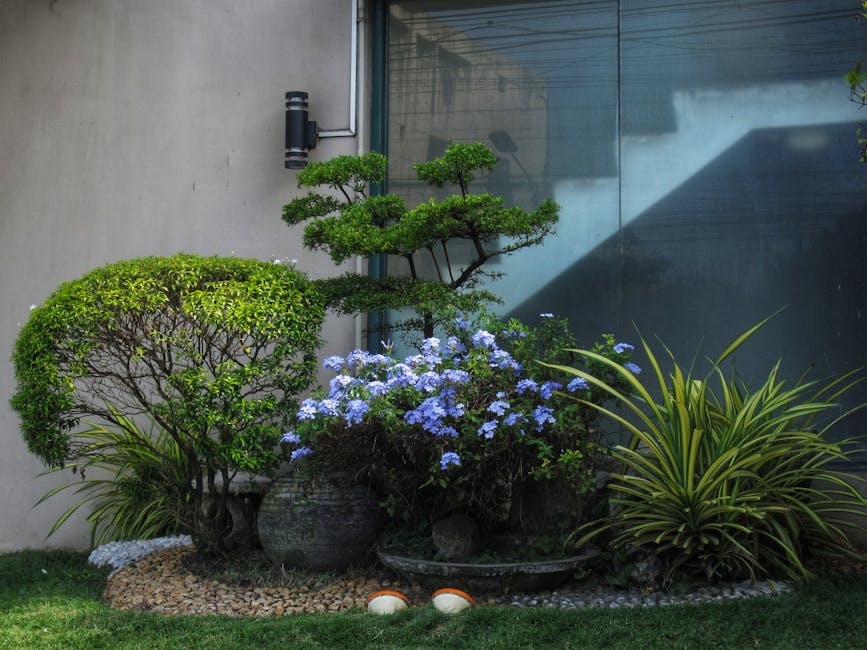
Small front garden ideas with gardeners near Carshalton Station
If your front garden feels a bit too tight, a bit too messy, or just a bit forgotten, you are not alone. Many homes around Carshalton Station have compact front spaces that need to work hard: they should look neat from the pavement, welcome visitors, and not become another weekend job you dread. The good news? Small front garden ideas with gardeners near Carshalton Station can turn even a narrow strip of soil or paving into something tidy, characterful, and genuinely low-stress.
This guide brings together practical design ideas, maintenance tips, and local considerations so you can plan a front garden that suits the house, the street, and your own time. Whether you want evergreen structure, easier weeding, better kerb appeal, or simply a front space that stops looking tired, the right gardening approach can make a surprisingly big difference.
And yes, tiny gardens can look brilliant. In fact, they often look better when they are not trying too hard.
Table of Contents
- Why small front garden ideas matter near Carshalton Station
- How the approach works in practice
- Key benefits and practical advantages
- Who this is for and when it makes sense
- Step-by-step guidance
- Expert tips for better results
- Common mistakes to avoid
- Tools, resources and recommendations
- Law, compliance, standards, and best practice
- Options, methods, and comparison table
- Case study or real-world example
- Practical checklist
- Conclusion
- Frequently asked questions
Why Small front garden ideas with gardeners near Carshalton Station Matters
A front garden is doing more than people often realise. It is the first thing you see when you come home, and the first thing visitors notice. For a small space, that first impression is amplified. If the planting is overgrown, the path cramped, or the boundaries untidy, the whole property can feel smaller and less cared for than it really is. On the other hand, a clean, well-planned front garden can make a modest house feel sharper, calmer, and more inviting.
Near Carshalton Station, many homes sit on compact plots or mixed frontage layouts with a mix of paving, low walls, small borders, and hedging. That means there is often not much room for trial and error. A design that looks fine in a large suburban garden can feel clumsy here. Small front garden ideas with gardeners near Carshalton Station need to account for visibility, access, local street character, and maintenance in all seasons.
There is also the practical side. Small front gardens can become clutter magnets. Bins, bikes, leaf fall, driveway weeds, overflowing hedges, and patchy planting can quickly make the space feel busier than it should. A gardener who works in the area will usually understand how to simplify the layout without making it feel bare. That balance matters. Too much fuss and the garden starts to swallow itself. Too little and it looks unfinished.
In our experience, the best front gardens near station areas do one thing well: they keep a clear shape. That might sound simple, but it is often the difference between a front garden that quietly works and one that always looks like it needs "just one more job".
How Small front garden ideas with gardeners near Carshalton Station Works
At its core, the process is straightforward. A local gardener looks at the space, the light, the existing plants, and how you use the front garden day to day. Then they shape the garden so it is easier to maintain and better suited to the footprint. That could mean pruning back an overgrown hedge, replacing awkward planting with compact shrubs, improving edging, or rethinking how the path and borders meet.
The real skill is in editing, not adding. Small front gardens usually benefit more from clear structure than from lots of features. You do not need every trend at once. A neat hedge, a few resilient plants, a sensible mulch, and a usable walkway will often outperform a crowded mix of beds and ornaments. Truth be told, a lot of front garden problems start with too many different ideas competing for the same square metre.
A good approach normally follows three stages:
- Assessment: measure the space, note drainage, check sun and shade, and look at existing boundaries and access.
- Simplification: remove dead growth, reduce clutter, define edges, and decide what should stay and what should go.
- Refinement: add planting, tidy surfaces, and put a maintenance routine in place so the garden stays neat.
Gardners near Carshalton Station often work in gardens where foot traffic, street dust, and regular shade from nearby buildings can affect plant choice. That is why local knowledge helps. Some plants look fine in a glossy photo and then sulk all winter. Others, more humble really, keep going and keep the garden looking alive.
Key Benefits and Practical Advantages
There are some obvious benefits to improving a small front garden, and a few that people only notice later.
- Better kerb appeal: a tidy front garden lifts the whole look of the property.
- Less maintenance: simple planting and regular trimming reduce weekly chores.
- Improved access: narrow paths, steps, and entrances become easier to use safely.
- Cleaner boundaries: hedges, fences, and edging look deliberate instead of scruffy.
- More usable space: removing clutter and overgrowth makes the area feel bigger.
- Longer-lasting planting: the right shrubs and ground cover are easier to keep healthy.
There is also a subtle emotional benefit. You feel better arriving home to a space that looks cared for. It is a small thing, but not really small at all when you live with it every day.
From a practical point of view, small front gardens also respond well to repeat maintenance. A half-hour tidy-up every so often can be enough to stop things getting out of control, especially if the garden has been simplified properly. That is one reason many homeowners prefer to work with a local gardening services overview rather than trying to tackle every part themselves.
Who This Is For and When It Makes Sense
This kind of garden work is ideal if you:
- live in a terrace, semi-detached, or compact property near Carshalton Station;
- want a front garden that looks tidy without constant effort;
- have hedges, shrubs, or borders that have outgrown the space;
- need a cleaner entrance for guests, deliveries, or daily use;
- are preparing to rent, sell, or simply improve how the property presents;
- feel the garden has become more maintenance-heavy than it should be.
It also makes sense if the current layout is visually noisy. A lot of small front gardens suffer from a little bit of everything: one plant from years ago, one container added later, a hedge trimmed unevenly, a patch of bare soil, a cracked border edge. Nothing wrong with any of it on its own. Together, though, it can feel a bit chaotic.
If that sounds familiar, a gardener can help you step back and decide what the front garden should actually do. Should it frame the house? Offer a soft border? Create privacy? Stay open and airy? The answer changes the layout. And that is why a proper plan matters.
Step-by-Step Guidance
If you are planning a front garden refresh, this is the sequence that tends to work best.
1. Look at the space honestly
Start with the basics. How wide is the entrance? Where does the light fall? Is the front garden mostly shade, full sun, or a mixed area with awkward pockets? Are there trip hazards, uneven paving, or overhanging plants? A quick but honest assessment saves time later.
2. Decide what the garden needs to do
Every small front garden should have a purpose. It might be purely decorative. It might need to be pet-friendly, child-friendly, or easier to access. It might need to soften a hard frontage or hide less attractive features. One clear purpose beats five half-ideas. Every time.
3. Remove the visual clutter
This is often the biggest win. Cut back overgrowth. Remove dead annuals. Lift broken pots. Re-edge borders. Clear weeds from between slabs. Small spaces become much more powerful when the eye can move through them without interruption.
4. Choose a simple planting scheme
In a front garden, restraint is your friend. A mix of evergreen structure, seasonal interest, and low-maintenance ground cover usually works well. Think in layers:
- structure: compact hedging, clipped shrubs, or a small ornamental tree if there is room;
- fill: medium shrubs or perennials that stay tidy;
- ground level: low planting, mulch, or gravel to reduce weeds and keep the bed clean-looking.
5. Improve edges and surfaces
A crisp edge between path, lawn, border, and boundary makes a small front garden feel designed rather than accidental. Even if the planting is very simple, neat edges can make it feel complete.
6. Put maintenance on a schedule
This is the step people skip, then regret. Seasonal pruning, hedge trimming, weed control, and occasional re-mulching keep the garden from drifting back into mess. If you want the space to stay sharp, plan for ongoing care rather than a one-off rescue job.
For many homeowners, it helps to see the work as a package rather than a single visit. That is where pricing and quotes become useful, because it lets you weigh up the scope of work against how much time and effort you want to spend yourself.
Expert Tips for Better Results
A small front garden can look excellent without being complicated. A few practical habits make a real difference.
Use repetition, not variety overload
Repeating the same two or three plants creates calm. Too many species in a tiny area can look busy, even if each plant is attractive on its own. Repetition is one of those simple design tricks that sounds obvious only after someone points it out.
Keep the tallest feature near the house or boundary
This helps the garden feel anchored. A tall shrub in the wrong place can block light or make the space feel cramped. Place height carefully and the whole frontage will read better from the street.
Choose plants that stay tidy
Some plants grow beautifully and then sprawl into the path. Fine for a large back garden; not so fine when you are squeezing past a front door with shopping bags. Compact, slow-growing, or easily clipped varieties usually suit these settings better.
Think in all seasons
A small front garden can look glorious for three weeks and flat for the rest of the year if seasonal interest is not planned properly. Evergreens, bark, structure, and winter texture help keep the garden pleasant even in the dull months. January can be a bit mean on a garden, let's face it.
Match the garden to the house
A modest Victorian terrace, a newer infill property, and a period home with decorative frontage will all suit different levels of formality. The goal is not to force a style on the space. It is to make the house look like it and the garden belong together.
If you are not sure what the right balance is, talk it through with a local team that understands both design and maintenance. Learning more about the company's approach via the about us page can also help you judge whether they work in the straightforward, practical way you need.
Common Mistakes to Avoid
Small front gardens often go wrong in predictable ways. The good news is that most of them are fixable.
- Overplanting: too many plants create crowding and increase maintenance.
- Ignoring scale: a large shrub or feature can dominate a tiny space.
- Choosing high-maintenance plants: stunning, but needy. Sometimes very needy.
- Leaving poor edging in place: untidy borders make everything look unfinished.
- Letting hedges get out of proportion: once they start closing in the space, they are hard to ignore.
- Forgetting drainage: soggy front beds quickly become patchy and awkward.
- Blocking access: plants should not fight with the front path, gate, or doorway.
A less obvious mistake is failing to plan for upkeep. A garden that looks good for one month but turns messy by the next is not really a success. It is just a pause. If you want long-term value, choose a layout that can be maintained consistently, even in winter.
Tools, Resources and Recommendations
You do not need a shed full of specialist kit to improve a small front garden, but the right basics help a lot. For simple upkeep, most homeowners benefit from a sturdy pair of secateurs, basic loppers, a hand fork, a weed tool, gloves, and a good broom for paths and paving. For more involved jobs, a professional gardener may bring hedge trimmers, edging tools, and waste removal arrangements.
For planning, a notebook and rough measurements can be more useful than fancy software. Sketch the space. Mark the front door, path, step, hedge line, and any problem areas. That simple map can help you spot where the garden is overcrowded or underused.
Useful recommendations for small front gardens near Carshalton Station:
- prefer evergreen structure with a few seasonal accents;
- keep containers to a minimum unless they are being maintained regularly;
- use mulch or gravel where planting is minimal to suppress weeds;
- leave a clear walking route to the door and bins;
- ask about regular maintenance if the garden includes hedging or fast-growing shrubs.
If sustainability matters to you, it is worth checking how clippings and waste are handled. A responsible local service should be able to explain its disposal and recycling approach clearly. You can also review their recycling and sustainability information if you want to know how garden waste is managed.
And if you are arranging work for the first time, make sure payment, scheduling, and expectations are straightforward. Small jobs should still be handled professionally. That is just common sense, really. You can also review payment and security information before booking.
Law, Compliance, Standards, and Best Practice
For most small front garden improvements, the main concerns are practical rather than heavily regulated. Still, a few common-sense standards matter.
First, access and safety. Paths, steps, and entrances should remain reasonably clear and not create avoidable trip hazards. If a hedge or shrub overhangs a public pavement, it should be kept back so it does not obstruct access. That kind of maintenance is basic best practice, and it helps avoid complaints from neighbours or passers-by.
Second, if work involves ladders, power tools, or significant hedge cutting, professional safety matters. A reputable gardener should work in line with sound health and safety practices and have appropriate insurance where relevant. If you want reassurance before arranging work, it is sensible to read the company's health and safety policy and insurance and safety information.
Third, if you live in an area with period properties or tight frontage lines, check whether any boundaries, trees, or shared access arrangements require extra care before making major changes. You do not need to overcomplicate things, but it is wise to avoid removing established features without thinking it through.
Best practice usually means this: keep the garden tidy, make access safe, use appropriate plants, and do not create work for yourself or neighbours by letting growth spill where it should not. Simple enough. Not always easy, but simple enough.
Options, Methods, and Comparison Table
Different front garden approaches suit different priorities. Here is a practical comparison to help you choose the right direction.
| Approach | Best for | Maintenance level | Main advantage | Possible drawback |
|---|---|---|---|---|
| Neat evergreen border | Homeowners wanting year-round structure | Low to medium | Looks tidy in every season | Needs occasional pruning to stay compact |
| Mixed planting with seasonal interest | People who want colour and variety | Medium | More visual interest across the year | Can look cluttered if overdone |
| Minimal hardscape with mulch or gravel | Very small spaces and busy households | Low | Easiest to keep under control | Can feel sparse without good structure |
| Compact formal frontage | Period homes or symmetrical facades | Medium | Looks crisp and elegant | Requires regular shaping |
| Plant-led cottage style | Owners who like softness and charm | Medium to high | Warm, welcoming look | Easy to overfill in a small area |
In a small space, the safest choice is usually the one that balances looks with upkeep. That does not mean boring. It just means sensible. Which, to be fair, is often what people really want once the novelty of a pretty border wears off and the weeds start showing up.
Case Study or Real-World Example
Here is a realistic example based on a common front garden situation near Carshalton Station.
A homeowner had a narrow front garden with an overgrown hedge, two tired shrubs, a patchy border, and a path that felt narrower every year. The garden was not huge, but it was busy enough to look neglected. The owner wanted something smart but not high-maintenance, and they did not want the space to feel stripped bare.
The fix was simple, though not overnight. The hedge was cut back to regain width and light. One shrub was removed because it had outgrown its spot. The border was re-edged, weeds were cleared, and a small number of compact evergreen plants were added to create shape. A mulch layer helped the bed look finished and reduced weed pressure. Nothing flashy. Just a better arrangement of the same basic ingredients.
The result was a front garden that looked twice as calm. The path felt wider. The house looked more open from the road. And the owner said the nicest part was not even the appearance. It was the feeling that the garden had stopped demanding attention every week. That is the real win, really.
Practical Checklist
Use this checklist before or during your front garden refresh.
- Measure the available space and note the sun and shade pattern.
- Check whether paths, steps, and entrances are clear and safe.
- Remove dead growth, weeds, and anything that adds visual clutter.
- Decide on one clear style or purpose for the garden.
- Choose plants that stay compact and suit the local conditions.
- Keep the number of plant types manageable.
- Define borders and edges cleanly.
- Plan for hedge trimming, pruning, and seasonal tidying.
- Think about waste removal and how clippings will be handled.
- Make sure the finished layout is realistic for your time and budget.
And one more thing: if you have to keep talking yourself into a plant, it probably does not belong in a tiny front garden.
Conclusion
Small front gardens near Carshalton Station do not need to be complicated to look good. In fact, the best ones are usually the simplest: clear edges, compact planting, tidy boundaries, and a maintenance plan that suits real life. Once you stop asking a small space to do too much, it starts behaving beautifully.
If your front garden is feeling cramped, uneven, or just overdue a proper reset, the right local gardener can help you turn it into something neat, welcoming, and easy to live with. That is the point, after all. Not perfection. Just a front garden that quietly does its job and makes coming home feel better.
Get a free quote today and see how much you can save.
If you want to explore the team behind the service before getting in touch, take a look at contact details and next steps or review the wider gardening services available.
Frequently Asked Questions
What are the best small front garden ideas for a house near Carshalton Station?
The best ideas usually combine evergreen structure, compact planting, and tidy edging. A small space tends to work best when it has one clear style and does not try to include too many features.
How do I make a tiny front garden look bigger?
Use simple lines, reduce clutter, and keep planting low and organised. Repeating a few plants and keeping the path clear can make the space feel wider straight away.
Do I need a gardener for a small front garden, or can I do it myself?
You can do some of it yourself, especially light weeding and basic tidying. A gardener becomes useful when hedges, borders, pruning, or layout decisions start taking more time than you want to give.
What plants work best in a small front garden?
Compact evergreen shrubs, low-growing perennials, and tidy ground cover often work well. The best choice depends on sunlight, soil, and how much maintenance you are happy to do.
How often should a front hedge be trimmed?
That depends on the hedge type and growth rate, but regular trimming is usually better than waiting until it becomes overgrown. A local gardener can recommend a sensible routine based on the plant.
Is gravel a good choice for a small front garden?
It can be, especially where you want lower maintenance and good drainage. Gravel works best when it is paired with proper edging and a planting scheme that stops the space feeling empty.
How much maintenance does a neat front garden need?
Usually less than people expect, if the garden is designed properly. A small amount of regular pruning, weeding, and sweeping often keeps it under control.
Can a small front garden still have privacy?
Yes, but it needs careful handling. Low hedging, clipped shrubs, or a well-placed boundary plant can give privacy without making the space feel boxed in.
What should I ask before hiring gardeners near Carshalton Station?
Ask what work they recommend, how they handle waste, whether they are insured, and whether the plan is suitable for a small front garden. It also helps to ask about ongoing maintenance options.
Are there any safety issues with front garden work?
Yes, especially if work involves ladders, hedge cutting, uneven paving, or overgrown entrances. Good practice is to keep paths clear and make sure the work is carried out safely.
What is the most common mistake with small front gardens?
Overcrowding. Too many plants, pots, and features can make a tiny space feel even smaller. Simpler layouts usually age better too.
How do I keep a front garden looking good through winter?
Choose plants with evergreen structure and avoid relying only on summer colour. A little winter pruning and border tidying can also make a big difference when the garden would otherwise look tired.
Where can I find more information about service standards and policies?
You can review useful service information such as the terms and conditions and the complaints procedure if you want to understand expectations before booking.